Blockchain technology and the broader Web3 ecosystem have experienced tremendous growth over the past decade. What began as a niche innovation embraced primarily by developers, investors, and technology enthusiasts has evolved into an industry attracting billions of dollars in investments and millions of users worldwide. Yet despite this progress, one significant challenge continues to limit mainstream adoption: user experience.
For the average consumer, Web3 remains unnecessarily complicated. Creating a wallet, managing private keys, understanding gas fees, switching between blockchain networks, and navigating decentralized applications can quickly become overwhelming. While traditional digital services have spent decades refining simplicity and convenience, many blockchain-based products still expect users to possess a level of technical knowledge that far exceeds that of everyday consumers.
Mass adoption of cryptocurrency and Web3 technologies will not be driven solely by technological breakthroughs or institutional investments. It will depend on creating products that are intuitive, accessible, and invisible in their underlying complexity. Consumers do not adopt technologies because they are innovative—they adopt them because they solve problems more effectively and more conveniently than existing alternatives.
The future of Web3 will largely be determined not by blockchain engineers alone, but by designers, product developers, and businesses capable of making decentralized technologies feel as seamless as modern banking applications or online shopping platforms.
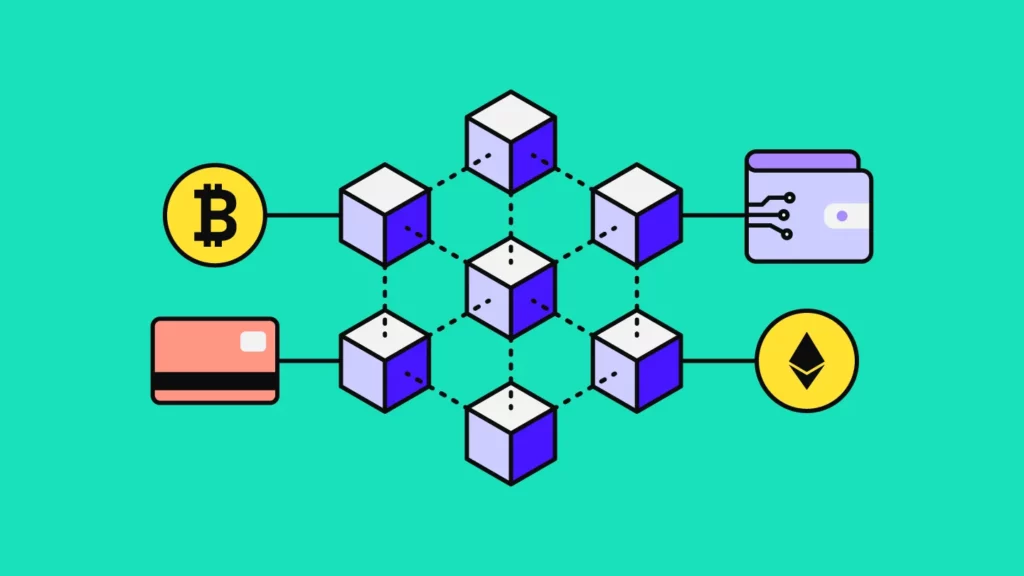
Why User Experience Matters
Technology adoption has always followed a familiar pattern. Early adopters are willing to tolerate complexity if the innovation provides enough value. Mainstream users, however, have far different expectations.
Consumers expect digital products to offer:
- Simple onboarding processes.
- Intuitive interfaces.
- Fast and reliable performance.
- Minimal technical requirements.
- Strong security protections.
- Clear instructions and support.
- Consistent user experiences across devices.
Most successful internet platforms became mainstream not because users fully understood how they worked but because they required little effort to use.
Few people understand how payment processing systems operate when they tap their credit cards at a store. Similarly, consumers do not need to understand blockchain consensus mechanisms or cryptographic signatures to benefit from Web3 applications.
The greatest obstacle to mass adoption is not blockchain technology itself—it is the industry’s tendency to expose users to unnecessary complexity.
The Current State of Web3 User Experience
Despite significant improvements in recent years, Web3 applications continue to present several barriers to entry.
Common challenges include:
- Complicated wallet setup.
- Private key management.
- Confusing transaction approval mechanisms.
- Network compatibility issues.
- Unpredictable transaction fees.
- Limited customer support.
- Poor interface design.
- Technical terminology that intimidates newcomers.
Many decentralized applications were initially designed for developers and crypto-native communities rather than mainstream consumers.
As a result, users are often required to understand concepts such as:
- Seed phrases.
- Token standards.
- Blockchain bridges.
- Gas optimization.
- Layer-two solutions.
- Smart contract interactions.
For technology enthusiasts, these concepts may be manageable. For ordinary consumers purchasing digital products or making payments, they represent significant friction.
Simplifying Wallet Management
Cryptocurrency wallets remain one of the largest barriers to mainstream adoption.
Traditional wallet experiences frequently require users to:
- Write down recovery phrases.
- Store private keys securely.
- Manage multiple blockchain networks.
- Understand transaction confirmations.
- Handle token approvals manually.
While security remains essential, expecting average consumers to become their own cybersecurity experts is unrealistic.
Future wallet solutions are likely to emphasize:
Social Recovery Systems
Social recovery mechanisms allow trusted contacts or predefined recovery methods to restore access without requiring users to memorize complex seed phrases.
Potential advantages include:
- Improved accessibility.
- Reduced risk of permanent asset loss.
- Simplified account management.
- Enhanced consumer confidence.
Embedded Wallets
Many emerging Web3 applications now integrate wallets directly into their platforms.
Users may soon create blockchain-enabled accounts using familiar methods such as:
- Email addresses.
- Mobile phone numbers.
- Biometric authentication.
- Existing social accounts.
This approach significantly reduces onboarding complexity while preserving the benefits of decentralized technologies.
Account Abstraction
Account abstraction is one of the most promising developments in blockchain usability.
By separating user experiences from traditional wallet limitations, account abstraction enables features such as:
- Password recovery.
- Automated payments.
- Multi-factor authentication.
- Transaction batching.
- Flexible security settings.
Consumers increasingly expect these capabilities from modern financial services.

Eliminating Technical Jargon
The blockchain industry has developed an extensive vocabulary that can alienate new users.
Examples include:
- Gas fees.
- Layer-two networks.
- Token bridges.
- Liquidity pools.
- Decentralized autonomous organizations.
- Staking mechanisms.
- Consensus protocols.
Mainstream consumers should not need to understand these concepts to interact with decentralized applications successfully.
Successful Web3 products will increasingly prioritize:
- Plain language interfaces.
- Guided onboarding experiences.
- Contextual explanations.
- Simplified transaction flows.
Consumers purchase products, send payments, and access services—not blockchain networks.
Technology should remain largely invisible unless users intentionally seek deeper technical understanding.
Making Transactions Invisible
Traditional payment systems excel because they remove friction from financial interactions.
Consumers rarely think about:
- Payment processing networks.
- Settlement systems.
- Fraud prevention infrastructure.
- Banking integrations.
The same principle should apply to blockchain.
Future Web3 applications will likely abstract away:
- Network selection.
- Transaction fees.
- Smart contract interactions.
- Asset conversions.
- Cross-chain transfers.
Users should simply experience fast and reliable services without managing the underlying infrastructure.
For example, an online shopper purchasing a digital subscription should not need to know:
- Which blockchain is being used.
- How transaction fees are calculated.
- Whether assets are being bridged between networks.
They should simply confirm payment and receive their product.
Improving Security Without Increasing Complexity
Security remains one of blockchain’s greatest strengths—and one of its greatest usability challenges.
Consumers are frequently warned that:
- Lost private keys cannot be recovered.
- Transactions are irreversible.
- Wallet compromises are permanent.
- Phishing attacks are common.
These realities create anxiety among potential users.
The next generation of Web3 applications must balance security with convenience.
Promising security improvements include:
Multi-Factor Authentication
Consumers are already comfortable using:
- Fingerprint authentication.
- Face recognition.
- Verification codes.
- Security notifications.
Integrating familiar security mechanisms significantly improves user confidence.
Smart Wallets
Smart contract-based wallets offer advanced security features such as:
- Spending limits.
- Session-based permissions.
- Automated fraud detection.
- Emergency account recovery.
- Multi-signature protection.
These features can improve both security and usability simultaneously.
Risk-Based Authentication
Modern financial applications increasingly rely on intelligent security systems that monitor user behavior and detect suspicious activity.
Blockchain applications are beginning to adopt similar approaches, allowing for more sophisticated protection mechanisms without increasing user burden.
The Role of Stablecoins in Everyday Payments
Volatility remains one of the primary reasons why cryptocurrencies have struggled to become everyday payment instruments.
Consumers generally prefer stable and predictable pricing when making purchases.
Stablecoins offer several advantages for mainstream adoption:
- Price stability.
- Fast settlement.
- Global accessibility.
- Reduced transaction costs.
- Improved cross-border payment capabilities.
Stablecoins may ultimately become the most practical entry point for millions of new users entering the Web3 ecosystem.
Consumers are far more likely to adopt blockchain-based payments when they resemble familiar digital money rather than speculative assets.
Consumer Expectations in the Web3 Era
Modern consumers have exceptionally high expectations regarding digital experiences.
Successful products typically provide:
- Instant account creation.
- Seamless payments.
- Reliable customer support.
- Attractive interfaces.
- Consistent performance.
- Mobile-first design.
- Transparent pricing.
Web3 applications must compete not only with other blockchain products but also with some of the world’s most refined digital platforms.
Consumers are comparing blockchain applications to:
- Mobile banking services.
- E-commerce platforms.
- Streaming subscriptions.
- Digital payment systems.
- Social media applications.
This competition raises the standard considerably.
The most successful blockchain applications of the future may not market themselves as blockchain products at all.
Instead, they will emphasize convenience, efficiency, and user benefits.
Enterprise Adoption and User Experience
Businesses seeking to introduce blockchain-powered services face an important lesson: customers care about outcomes, not infrastructure.
Companies should focus on delivering:
- Faster payments.
- Lower costs.
- Better security.
- Global accessibility.
- Improved customer experiences.
Consumers are unlikely to adopt products because they are decentralized. They will adopt them because they provide tangible advantages over existing solutions.
This shift in perspective is already influencing product development strategies across the industry.
Rather than asking users to adapt to blockchain, businesses are increasingly adapting blockchain to users.
The Future of Mainstream Web3 Adoption
Several trends are expected to drive mass adoption over the next decade:
- Simplified wallet technologies.
- Embedded blockchain infrastructure.
- Improved regulatory clarity.
- Stablecoin-based payment systems.
- Enhanced mobile experiences.
- Advanced account abstraction capabilities.
- Greater interoperability between networks.
- Consumer-friendly application design.
As these innovations mature, blockchain technology will become increasingly invisible to end users.
Consumers may soon use decentralized services every day without realizing that blockchain powers the underlying infrastructure.
This evolution mirrors the development of the internet itself. Most people use cloud computing, artificial intelligence, and sophisticated encryption technologies daily without needing to understand their technical foundations.
Blockchain is likely to follow the same path.
Conclusion
Mass adoption of Web3 will not be achieved through technical complexity or speculative enthusiasm. It will be driven by simplicity, usability, and the ability to deliver meaningful value to ordinary consumers.
The greatest challenge facing the blockchain industry is no longer building powerful technologies—it is designing experiences that make those technologies accessible to everyone. Simplified wallets, invisible infrastructure, stablecoin payments, and intuitive interfaces will play a crucial role in bringing decentralized services to mainstream audiences.
Consumers do not want to learn how blockchain works before buying a cup of coffee, paying for a subscription, or sending money internationally. They simply want products that are secure, fast, and convenient.
The companies that succeed in making Web3 feel effortless will ultimately determine whether blockchain becomes a niche technology or the foundation of the next generation of the digital economy.